Write for the person, not the occasion
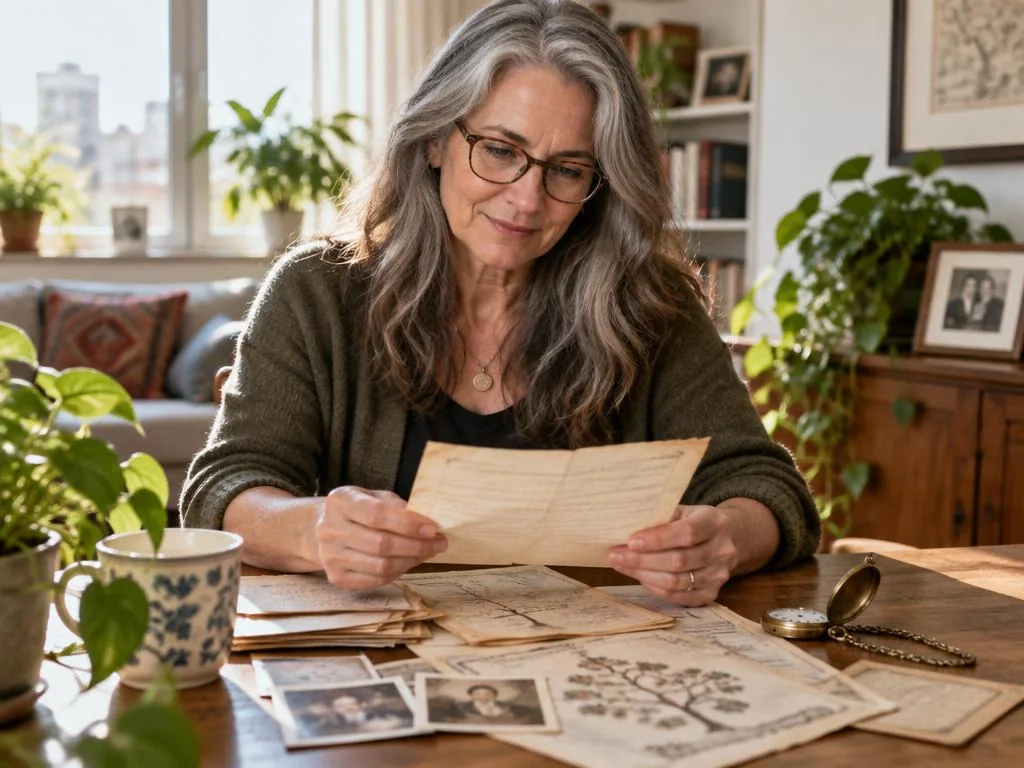
Preparing messages for loved ones after death can begin with an ordinary thought you would like them to hear. You do not need a final speech or a summary of your entire relationship. A specific memory often says more than a page of general advice.
Picture one recipient reading or listening. What would feel like you? A familiar greeting, a story you share, or a sentence about what you admire in them may be enough to start. Draft privately and return later if you need time. There is no requirement to finish in one sitting.
What might you include?
Keep the focus on connection rather than instructions about how someone should feel. A future reader may be at a different stage of life than you expect. Words that offer warmth without creating an obligation leave room for their own experience.
Personal words and practical instructions serve different purposes. Separating them helps a loved one find what is needed without having to work through an emotional message first. Avoid using a letter to settle a disagreement or ask someone to carry a secret they did not choose.
- A memory told with the details only you remember.
- Gratitude for something small that mattered.
- Encouragement that does not prescribe a life path.
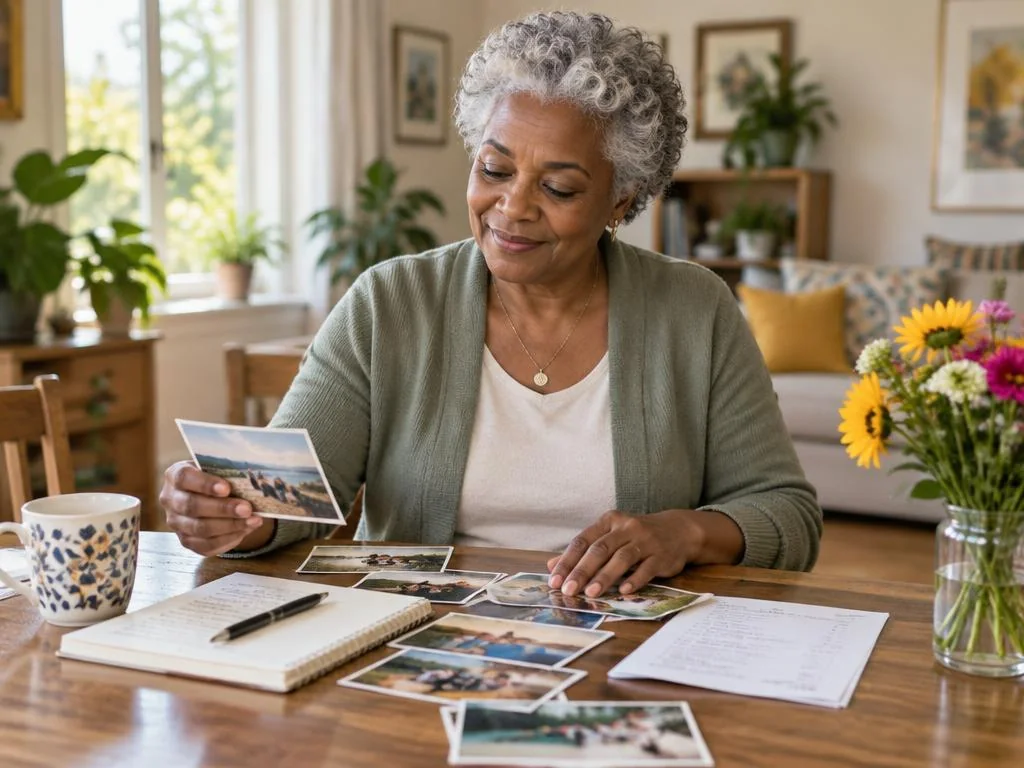
- A recording of your voice or a photograph with its story.
Choose a format that sounds like you
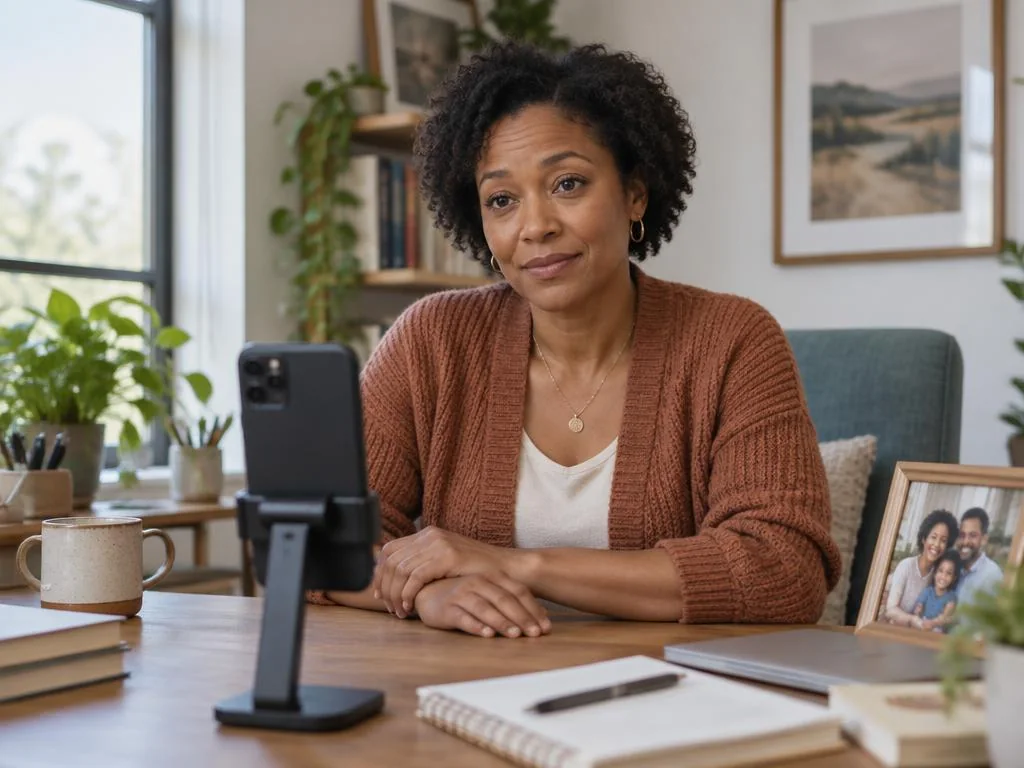
A written note is easy to revisit and adjust. Audio keeps the rhythm of your voice; video can capture familiar expressions. None needs to be perfect. If you record, choose a quiet room, say the recipient’s name, and check that your words are understandable before saving the file.
Give photographs and attachments context. Explain why a song, a recipe or a keepsake belongs with the message. Keep your own copies of important files, and be considerate about including someone else’s personal information or images.
Preparing now and releasing later are different steps
In YoursSomeday, you can draft a private encrypted Capsule, choose its recipients, save release instructions and seal it intentionally. Different people can receive different messages. Future dates, birthdays and milestone ages can give your instructions a more personal shape; they do not remove required post-death safeguards.
A report of a possible passing starts a review, not a release. Trusted Verifiers may help with that review but cannot read content merely because they are verifiers. Verification and release authorization are separate decisions, with holds and controlled recipient access. Automated post-death verification and delivery are still being completed and tested during beta.
Leave room to change your mind
Read your message again after some time. Does it still feel kind, clear and yours? Check the recipient and intended timing. Changes to a sealed Capsule require intentional re-sealing before becoming the active sealed version; saving a draft is not the same as completing that step.
A personal message is not a legal instruction for distributing property. YoursSomeday does not replace a will, trust, attorney, estate plan or legal advice. Keep legal wishes in the appropriate documents, and use your message for the human words those documents cannot say for you.