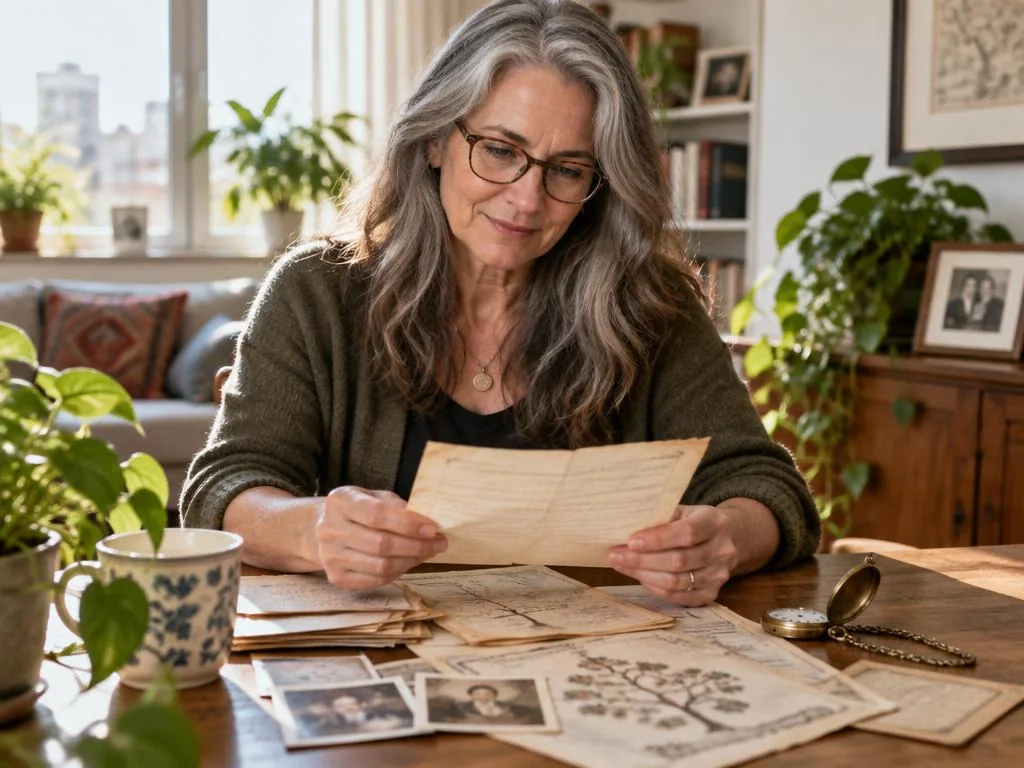

Make a map, not a mountain of paperwork
A practical family-information note helps someone find the right source. It does not need to reproduce every document. Begin with the location of important records, the names of relevant professionals, and a short explanation of what each item is for. Use labels another person can recognize without your help.
For example, ‘The home insurance policy is in the blue folder in the study; the broker’s contact details are on the first page’ may be more useful than an unexplained attachment. Separate facts from things that need confirmation. If a detail is uncertain or has changed, say so instead of leaving an old instruction looking current.
What information could make things easier?
Think through a normal week. Which tasks depend on knowledge that lives only in your head? Consider household records, useful contacts, care routines and family context. Keep instructions specific enough to be useful but avoid collecting sensitive details that the reader does not need.
A good note tells someone the next sensible step rather than trying to anticipate every outcome. For financial or legal matters, point to the official records and the qualified person to contact. An informal instruction does not grant authority to act on someone else’s behalf.
- Where wills, insurance records and other important documents are kept.
- Names and contact details for relevant legal, financial or household professionals.
- The location of property records, service agreements and maintenance notes.
- Pet-care routines and the person who has agreed to help.
- Family relationships or context that would help a person understand the records.
- A short ‘what to do first’ list, distinguishing urgent information from later tasks.
Useful does not mean unrestricted
Do not turn your family-information plan into a password collection. Prefer document locations, official account-recovery routes and contact information over passwords, authenticator codes or recovery keys. Account access and authority depend on the provider and applicable rules; a note cannot safely bypass them.
Check whether you have included someone else’s private information. Choose recipients according to what they genuinely need, and keep unrelated personal words separate. In YoursSomeday, different encrypted Capsules can be prepared for different people, rather than giving everyone the same bundle.
Keep immediate needs accessible
Some practical information should be discussed or made available now. Do not put the only copy of time-sensitive instructions behind a future release process. Keep an appropriate accessible copy and tell the relevant person where it is. Funeral wishes are a particular example: arrangements may need attention before verification finishes, which is why Funeral Planning Capsules have a Share Now option.
For other information intended for post-death release, YoursSomeday supports private preparation, chosen recipients and release instructions. A report starts review; verification and authorization are separate safeguards. Automated post-death verification and delivery are still being completed and tested during beta. Keep your own copies and a practical alternative for anything essential.
Make a review easy for your future self
Group related information and name it clearly. Note when you personally checked a detail, then review after a move, a changed provider or a family change. Remove outdated references rather than simply appending another paragraph. If a Capsule is sealed, changes need intentional re-sealing to become its active sealed version.
YoursSomeday is a complement to formal planning. It does not replace a will, trust, attorney, estate plan or legal advice. Questions about inheritance, legal authority and access to records belong with appropriate professionals and official documents.